A Parents’ Guide
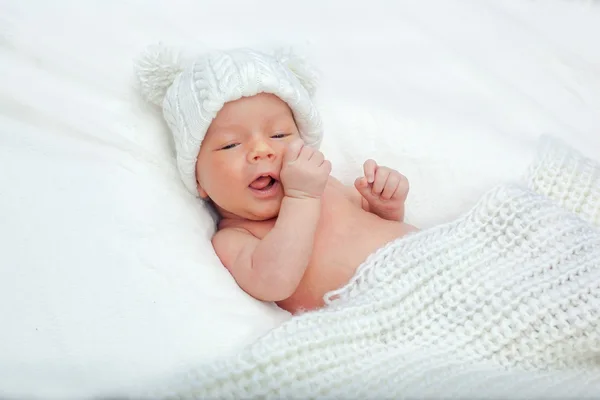
A newborn sitting in the first weeks of a baby’s life is one of those photographs a family looks back at years later and is genuinely glad to have. The baby is so small for so brief a time, and a proper portrait of those days is something you only ever take once.
Most parents arrive a bit anxious, on no sleep, unsure what a newborn sitting actually involves. By the end of the morning, nearly all of them are surprised by how easy and calm it was. This is a brief guide to what to expect, and what we think makes a good newborn sitting.
The studio
The room itself does most of the work in a newborn sitting. Newborns cannot regulate their own body temperature well, so the studio is kept properly warm, around 26 degrees, which sounds high to an adult but feels right for the baby. The room is quiet, private, with no public foot traffic to think about and parking at the door.
The studio is also set up specifically for newborns. There are soft wraps and props ready, clean surfaces throughout, and enough space for parents to feed the baby and settle them between shots.
At the baby’s pace
The sitting itself follows the baby, not a schedule. We allow plenty of time for feeding, settling, cuddles, and any of the dozen small things a newborn might need over a couple of hours. Most sittings run two to three hours from arrival to leaving, with the actual photography making up only part of that time.
There is no rushing, and no trying to make the baby do something they do not want to do. We follow what the baby is doing rather than what we had planned. Sometimes that means starting immediately because they are fast asleep. Sometimes it means waiting through a feed. The pace is deliberately unhurried.
Our approach to posing
Our posing is gentle and natural. A baby might be asleep in a soft wrap, curled on a blanket, or held by a parent or an older sibling. We work with how the baby naturally settles, rather than trying to manoeuvre them into positions they would not arrive at by themselves.
The photographs that come from this approach look the way they do because that is genuinely how the baby is in the moment. There is no clever editing or arrangement involved. Families tell us this is what makes the photographs feel real years later, and it is one of the reasons our newborn work tends to age well rather than date to a particular style of the time.
The practical side
Hygiene matters as much as the photography. Hands washed before any handling. Wraps, hats and accessories cleaned and laundered between sittings. The surfaces the baby is laid on freshly covered for each session. None of this is dramatic, but it is what good newborn work looks like.
For first-time parents who are nervous, you are welcome to come and see the studio before you book. A few minutes in the room is often enough to settle the question for yourself.
Decades of newborn photography
The studio has been working with newborns in Galway since 1949. It has stayed in the same family throughout, passing from father to son. The generation running it now grew up in the studio and has photographed several thousand newborn babies for Galway families across the years. Each baby is still its own occasion, but the handling and pace are second nature.
When to book
Most newborns are at their sleepiest between five and fourteen days after birth, and most of the curled, sleeping poses are only possible in that narrow window. By two weeks, the baby is more alert and the look of the photographs changes.
So newborn sittings are usually booked during pregnancy. Once we have the due date, we hold slots open in the days either side of it. When the baby arrives, you let us know, and we confirm a sitting in the first fortnight.
If you have not booked and the baby is already here, get in touch anyway. We will usually find a way.
Booking
You can read more about our newborn photography on our newborn page.
To book a newborn sitting, call us on 087 099 3990 or get in touch through our contact page. The earlier in pregnancy you book, the better, since the window itself is so narrow once the baby arrives.